
From the Yard to Seven Metres Up: How One Brisbane Builder Put Idle Frames & Idle Teams Back to Work
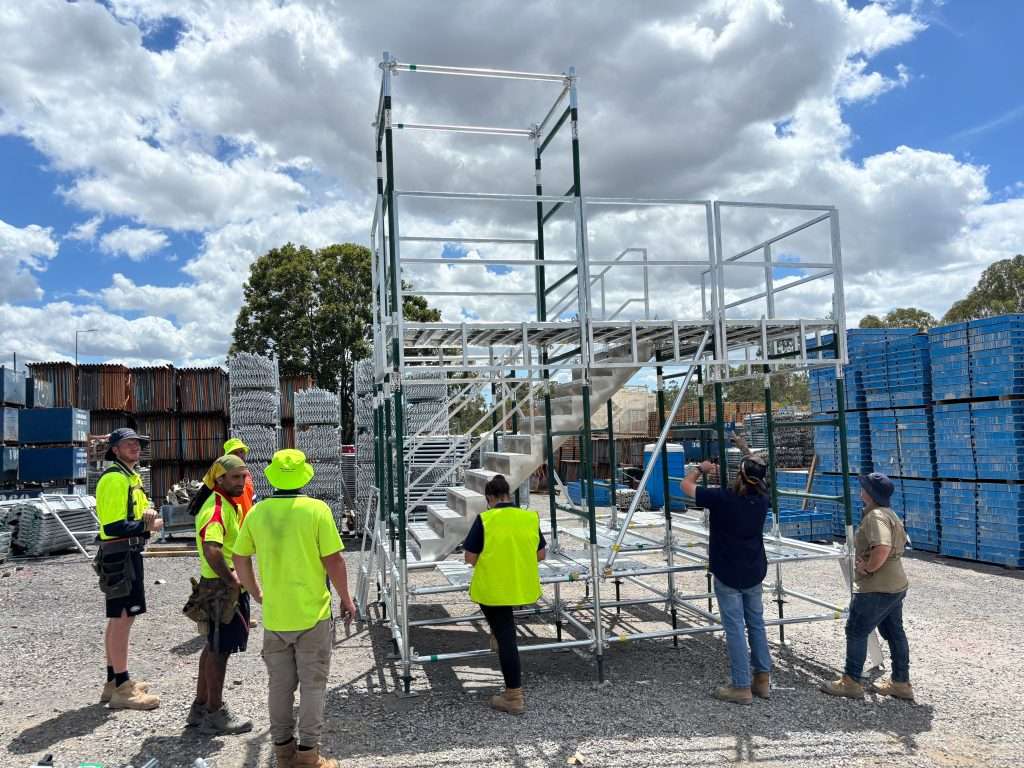
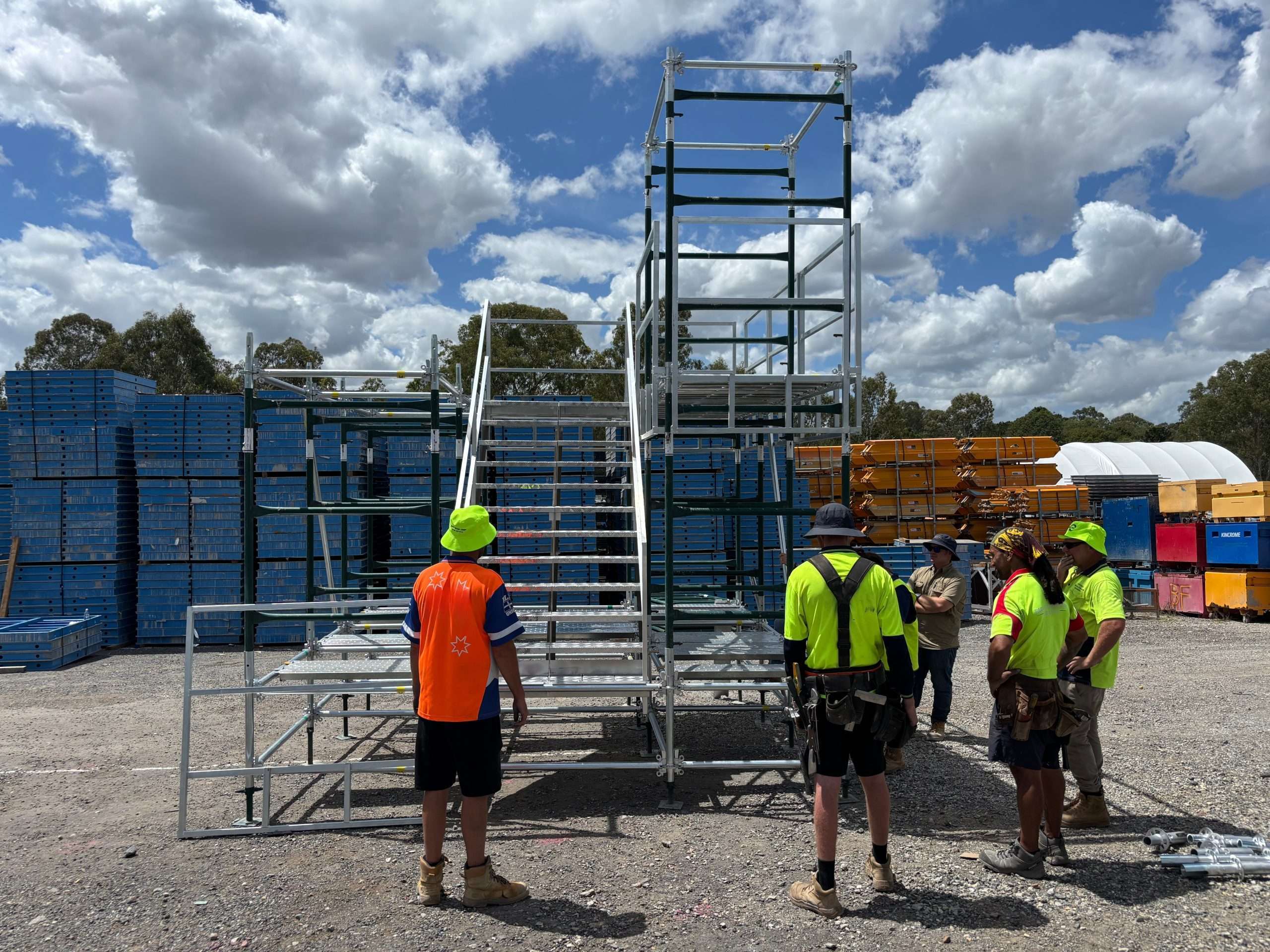
There’s a particular kind of frustration that comes with owning good equipment that can’t do the job in front of you. For a self-performing builder with a yard full of 40mm formwork frames and a skilled crew ready to work, winning two projects with suspended slabs sitting seven metres or more above the ground should have been straightforward cause for celebration. Instead, it raised an uncomfortable question that the industry has been asking for decades: how do you get your own team up there safely, without calling in a scaffold subcontractor and watching control of the programme slip out of your hands?
The traditional answer has always been the same. Bring in the scaffolders, wait for their schedule, pay their invoice, and accept that for high-soffit applications, your formwork crew is largely on the sidelines until the scaffold is up and signed off. For a builder who has invested in their own people and their own equipment, that’s a costly and frankly unnecessary constraint — if the right system exists to bridge the gap.
That system now exists. And this is the story of how it went to work on two Brisbane job sites.
The Problem Worth Solving
The Brisbane builder who came to Cassaform earlier this year is exactly the kind of contractor that the FrameMaster 50/60 was designed for. They run their own formwork labour force. They own their equipment. They take self-performance seriously, not just as a cost strategy but as a point of genuine professional pride. Their team knows how to form up concrete efficiently and safely, and they’d rather be doing that than standing around waiting for another trade to clear the way.
They also had a yard full of 40mm formwork frames that, on these particular jobs, would otherwise have sat unused. Standard frames have their limits. Push the soffit height past what conventional systems can safely reach and those frames become redundant — expensive assets collecting dust while a scaffold package eats into the project margin. That’s a frustrating position for any builder who has made the commitment to self-perform.
What they needed was a solution that could take those existing frames and safely extend their capability to heights they’d never been able to reach before. Not a replacement system. Not a wholesale change to how their crew works. Just the right engineered interface between what they already had and what the job demanded.
Cassaform had that answer.
What the FrameMaster 50/60 Actually Does
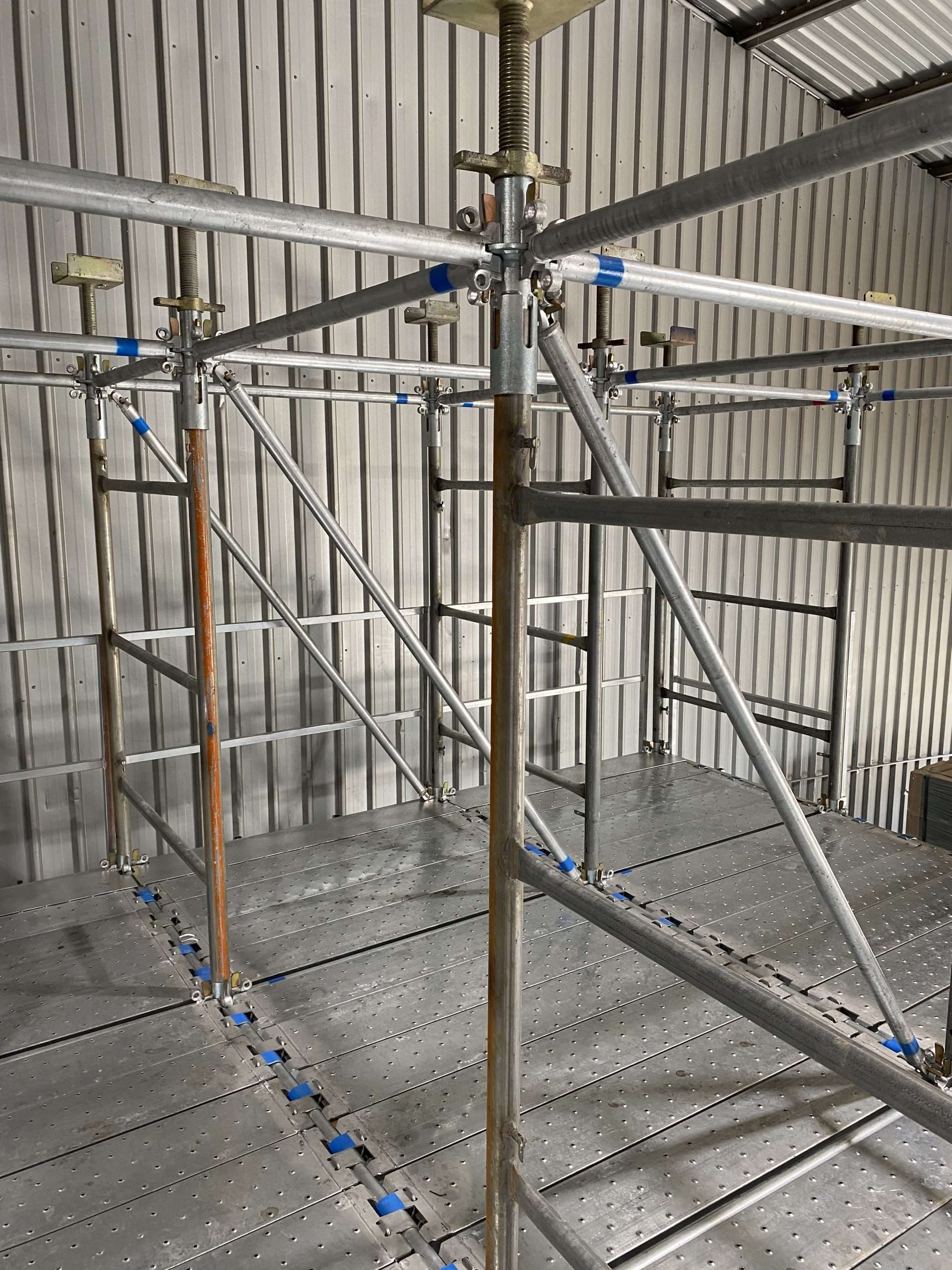
The FrameMaster 50/60 is a high-strutting formwork system built specifically to bring conventional formwork frames safely into high-soffit suspended slab applications. Its patent-pending design — filed in Australia, the United States and the United Kingdom — provides captive fall protection that addresses the risk of falls for workers operating at height, meeting the requirements of SafeWork Codes of Practice and certified to AS 3610.2:2020.
The key to its value for a self-performing builder is that it works with the frames they already own. For this Brisbane contractor, that meant their 40mm frames — sitting idle in the yard on these jobs — could be integrated directly into the FrameMaster system and put to work at heights standard formwork can’t touch. The equipment investment they’d already made didn’t become a liability. It became part of the solution.
That integration is deliberate by design. Rather than asking builders to commit to an entirely new equipment fleet, FrameMaster unlocks the potential of conventional frames for high-strutting applications. It’s a meaningful distinction for a business managing capital equipment and trying to extract maximum value from what it owns.
The system itself is also genuinely versatile. It functions as a high-strutting falsework system with conventional formwork or aluminium panel formwork. It can provide safe working access for other trades operating in the same space. It works as a prop-to-panel system for lower strutting slabs. And it handles typical low-strutting falsework applications just as comfortably when that’s what the programme calls for. In practice, that means a single system that can flex to suit different slab heights and configurations across a project without the crew having to adapt to a completely different methodology each time.
Site access and productivity are built into the system as standard. FrameMaster includes construction stairs, hop-ups and large working decks, giving the team the ability to move through the structure safely and efficiently at every stage. These aren’t accessories you bolt on later. They’re part of how the system keeps a formwork crew working continuously rather than stopping to solve access problems that should have been anticipated from the start.
The Full Cassaform Package
When the Brisbane builder came to us, they needed more than equipment on a truck. They had two projects commencing mid-April, both with high-soffit slabs that required a complete engineered solution — design, certification, training and sign-off — that would satisfy their principal and comply with every applicable SafeWork requirement.
Cassaform’s in-house engineering team took on the full scope. Working through the specific structural demands, load conditions and site configurations of both projects, the team produced certified formwork designs for each job and provided complete engineering documentation and sign-off to AS 3610.2:2020. The builder had everything they needed to demonstrate compliance before a single frame went up.
Training was the other critical piece. Supplying a system and walking away isn’t how Cassaform operates. The builder’s formwork crew received thorough on-site training covering the complete FrameMaster installation sequence — from setting base jacks and installing starter collars through to fitting diagonal bracing, safety panels and the final panel installation at height. At each step, the training addressed the specific hazards present and the controls required to manage them. The goal wasn’t just familiarity with the equipment. It was genuine competence and confidence at height, using a system the crew could own and operate without depending on anyone else.
Both sites were fully supplied ahead of the mid-April start. Equipment delivered, engineering certified, crews trained, sign-offs in place. No scaffold package. No waiting on a subcontractor. Just the builder’s own team, their own frames, and a system that finally lets them do the job themselves.
Why This Matters Beyond These Two Jobs
The story of these Brisbane projects points to something important about where self-performing builders are headed and what they need from their suppliers to keep moving in that direction.
Keeping work in-house is a commitment that requires the right tools to honour it. A formwork crew with years of experience working together is a genuine business asset — their speed, their quality, their ability to sequence a complex pour efficiently. But that asset only delivers its full value when the systems available to them can match the ambition of the work being tendered.
High-soffit applications have been the consistent sticking point. The moment soffits exceed what conventional frames can safely reach, the self-performance model traditionally breaks down. The formwork team hits a wall, the scaffold package gets called in, and the programme, the margin and the sense of control all take a hit. For a builder who is serious about self-performance, that ceiling has been a genuine constraint on the kind of work they can competently and competitively pursue.
FrameMaster removes that ceiling. It extends what a formwork crew can safely do on their own, at height, with equipment they already own, on a timeline they control. For builders with 40mm frames in the yard that have never been able to go this high, it also means getting far more value from capital that’s already been spent.

Stay Posted — These Sites Are About to Get Going
Both Brisbane projects kick off from mid-April and we’ll be sharing updates from the field as the work progresses. Seeing FrameMaster operating at seven metres and above on live job sites is the most compelling demonstration of what the system can do, and we want to bring that to the industry as it unfolds.
If your business is facing high-soffit suspended slabs and you’ve been relying on scaffold packages to get through them, it’s worth a conversation with Cassaform. Bring your frame inventory, your site conditions and your programme requirements. We’ll work through the engineering, the certification and the training to make sure your team can do the job safely, compliantly and entirely on your own terms.
Follow along as these two Brisbane sites get underway. The frames are off the yard. The crews are ready. The high soffits are next.
Cassaform | 1300 745 674 | cassaform.com.au
